IN the article "The Woman with a Hole in Her Brain" by Helen Thomson, it tells the unexpected discovery made by a Chinese doctor in one of their patients. The 24-year-old woman went her entire life without knowing that she was born without her cerebellum.Without that portion of her brain, she was expected to have terrible fine motor skills, epilepsy, movement disorders, and other problems, but she only has a slightly slurred pronunciation and very mild motor deficiency.
Here is the article
The midbrain controls walking, sleeping and other reflexes so without it affects those reflexes very much. There is a birth defect called hydranencephaly which is the absence of varying amounts of the cerebral hemispheres. It is possible to live and survive without the midbrain. According to this article, Trevor Waltrip lived for 12 years with only his brainstem.
Wednesday, April 13, 2016

Thursday, March 24, 2016
Unit 7 Reflection
For the past few weeks, we have been learning about muscles like how they work which is a very complex system. Every time a muscle moves, it is the end result of muscle fibers contracting and relaxing. The muscle fibers are made of myofibrils which are like threads. In sections of the myofibrils, there are protein fibers that overlap, that place is called a Sarcomere and is the main component of movement. My tablemates and I created a Film to show exactly what process the body goes through in order to move.
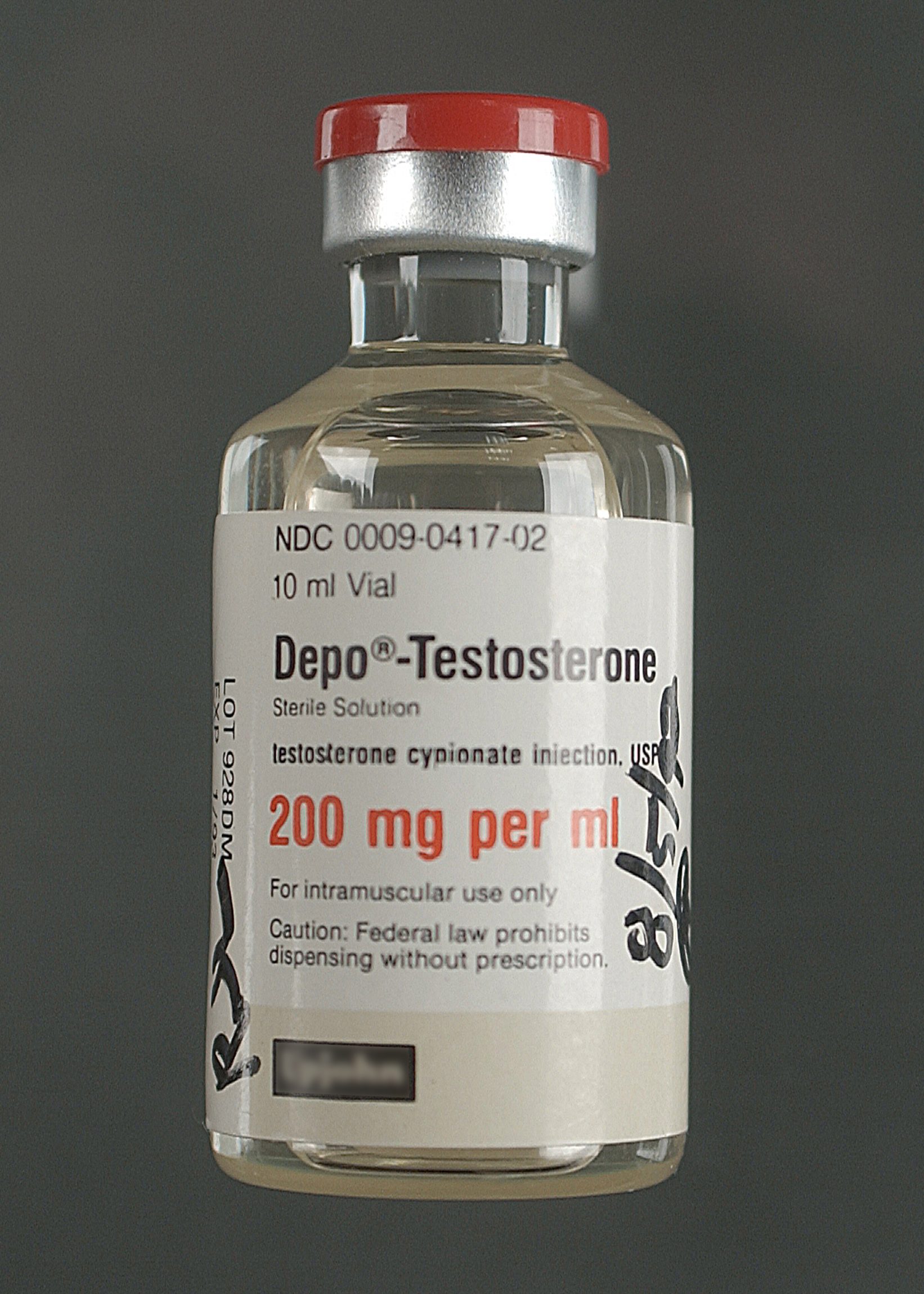
 Earlier this year, a classmate and I taught the class about weightlifting and its effects on muscles. We only vaguely described the process of how muscles actually grow but during this unit, we went more in-depth about how muscles grow. I found that this article described the process better than I ever could. It also discusses how hormones affect the growth of muscle. We also discussed how hormones affect the growth of muscle but extend the scope from just hormones to a number of substances that enhance performance such as Creatine and Androstenedione.
It became clear to me this unit that senioritis has fully set in. As soon as I got an a acceptance letter, I pretty much lost all drive to work in school. I know that I have to keep it together for just a few more months, but that is not much motivation.
It became clear to me this unit that senioritis has fully set in. As soon as I got an a acceptance letter, I pretty much lost all drive to work in school. I know that I have to keep it together for just a few more months, but that is not much motivation.
Tuesday, March 22, 2016
Chicken Dissection Analysis
 Earlier this week we dissected chickens to test our knowledge of muscles and their functions. When you move, the muscles attached to the bones by tendons in that section of the body are expanding and contracting. For example, when we dissected the chicken's arm, we flexed and extended its forearm to find the biceps brachii and triceps brachii.


Wednesday, February 24, 2016
The Regurgitation Station

In the pellet my partner and I had, we believe to have found a shrew, or at least some of the main parts of a shrew. The only skull we found was extremely small, only 1.2 cm in length, which is the median measurement of a shrew's skull. The mandible is also very distinct with its 2 large teeth and smaller teeth on the inside of the large ones.


 In terms of similarity to human bones, there were quite a few bones that are shared between the two species. They include ribs, femur, and tibia/fibula. The ribs are exactly like ours, curved inward, but I did not find a sternum so shrews might not have one. The skull and mandible of the shrew is completely different from our skulls and mandibles. The shrew's skull if much more elongated and flat whereas our skulls are more vertically long. The nose holes for humans are a triangle with a thin separation between the two canals, For the shrew the separation between the two canals is significantly spread from each other. The mandible for us was split in two, shown on the left, and has a large incisor on each half of it. The other teeth on the inside of the large ones and are significantly smaller in comparison.
Wednesday, January 27, 2016
Unit 5 Reflection
This unit was about the organs digestive system, endocrine system, and diseases and problems that affect them two. There was a big focus on how different organs produce different hormones. The hormones if not functioning properly are severely detrimental to normal life, such as type 1and 2 diabetes. Diabetes is caused by either a lack of insulin production, type 1, or the reduced ability for the insulin to attach to the blood sugars for absorption aka insulin resistance, type 2. This unit was different from other units because there was a lot of new information thrown out about organs that I didn't know or had no idea what they did. This was pretty challenging for me, but interesting nonetheless. We only really had one lab this unit and that was the digestive system lab. http://derudesandstorm.blogspot.com/2016/01/what-goes-in-must-come-out.html
I didn't really learn anything in particular from this lab because I remember doing something similar back in elementary school, but it was pretty cool to be able to measure out pretty closely to what the actual length of my intestines are.
The endocrine system is something that I didn't know anything about. I still have a few questions about it like what would happen if there was backflow? Would the capillaries burst? How would the body react to such an incident?
So far I haven't really done much to progress my goals. I will be starting to study more today in preparation for our test tomorrow.
I didn't really learn anything in particular from this lab because I remember doing something similar back in elementary school, but it was pretty cool to be able to measure out pretty closely to what the actual length of my intestines are.
The endocrine system is something that I didn't know anything about. I still have a few questions about it like what would happen if there was backflow? Would the capillaries burst? How would the body react to such an incident?
So far I haven't really done much to progress my goals. I will be starting to study more today in preparation for our test tomorrow.
Wednesday, January 6, 2016
What Goes in Must Come Out
1. In this lab, we made an approximate model of the size of the digestive system from start to finish.
2.I am 1.8 meters tall, but my digestive system is 9.7 meters long. My digestive system is over 5 times longer than I am. The way the digestive system fits inside the human body is by being small, but layering itself on top of other portions of itself.
3. I would say it takes 6-7 hours for food to be digested and absorbed. It takes 6-8 hours to digest food depending on sex, and size of the individual.
4. In digestion, food is broken down to basic elements that the body can absorb. This is done mostly in the stomach and beginning of the small intestine. Absorption takes place in the majority of the small intestine and some of the large intestine.
5. What would happen if the intestines were shortened?
2.I am 1.8 meters tall, but my digestive system is 9.7 meters long. My digestive system is over 5 times longer than I am. The way the digestive system fits inside the human body is by being small, but layering itself on top of other portions of itself.
3. I would say it takes 6-7 hours for food to be digested and absorbed. It takes 6-8 hours to digest food depending on sex, and size of the individual.
4. In digestion, food is broken down to basic elements that the body can absorb. This is done mostly in the stomach and beginning of the small intestine. Absorption takes place in the majority of the small intestine and some of the large intestine.
5. What would happen if the intestines were shortened?
Monday, January 4, 2016
Shooting for the Net
I will get down to 180lbs by the end of this semester. My progress is measurable by each pound lost. I was that weight prior to football this year and would like to go back to it. I'm going to go to the gym 3-4 times a week, eat healthier, and maybe start to run.
I will get an A on at least 1 test in this class. My goal is measured by the points I get. This goal is very attainable through studying and better understanding of the material. This isn't relevant to my GPA due to college acceptance but for me personally as a sign of pride. I will need this done by the end of the semester.
I will get an A on at least 1 test in this class. My goal is measured by the points I get. This goal is very attainable through studying and better understanding of the material. This isn't relevant to my GPA due to college acceptance but for me personally as a sign of pride. I will need this done by the end of the semester.
Subscribe to:
Posts (Atom)